Comprehensive South Florida Remodel Permitting & Inspection Guide: Steps, Requirements, and Timelines
By Boris Slutsky, Licensed General Contractor and Founder of Turnkey Builds LLC.
Navigating the remodel permitting and inspection process in South Florida, including services such as South Florida home remodeling and kitchen remodeling Delray Beach, can be a complex ordeal for homeowners and contractors alike. This guide sheds light on the essential steps, necessary documentation, and expected timelines involved in obtaining the required permits and passing inspections. Understanding these processes will empower you to approach renovation projects with confidence, knowing precisely what is expected at each phase of remodel completion. From building permits to inspection requirements, all key aspects are discussed here. You’ll discover insights on navigating the permit application process, the types of inspections required, and how to ensure compliance with Florida’s building codes.
What Types of Building Permits Are Required for South Florida Remodels?
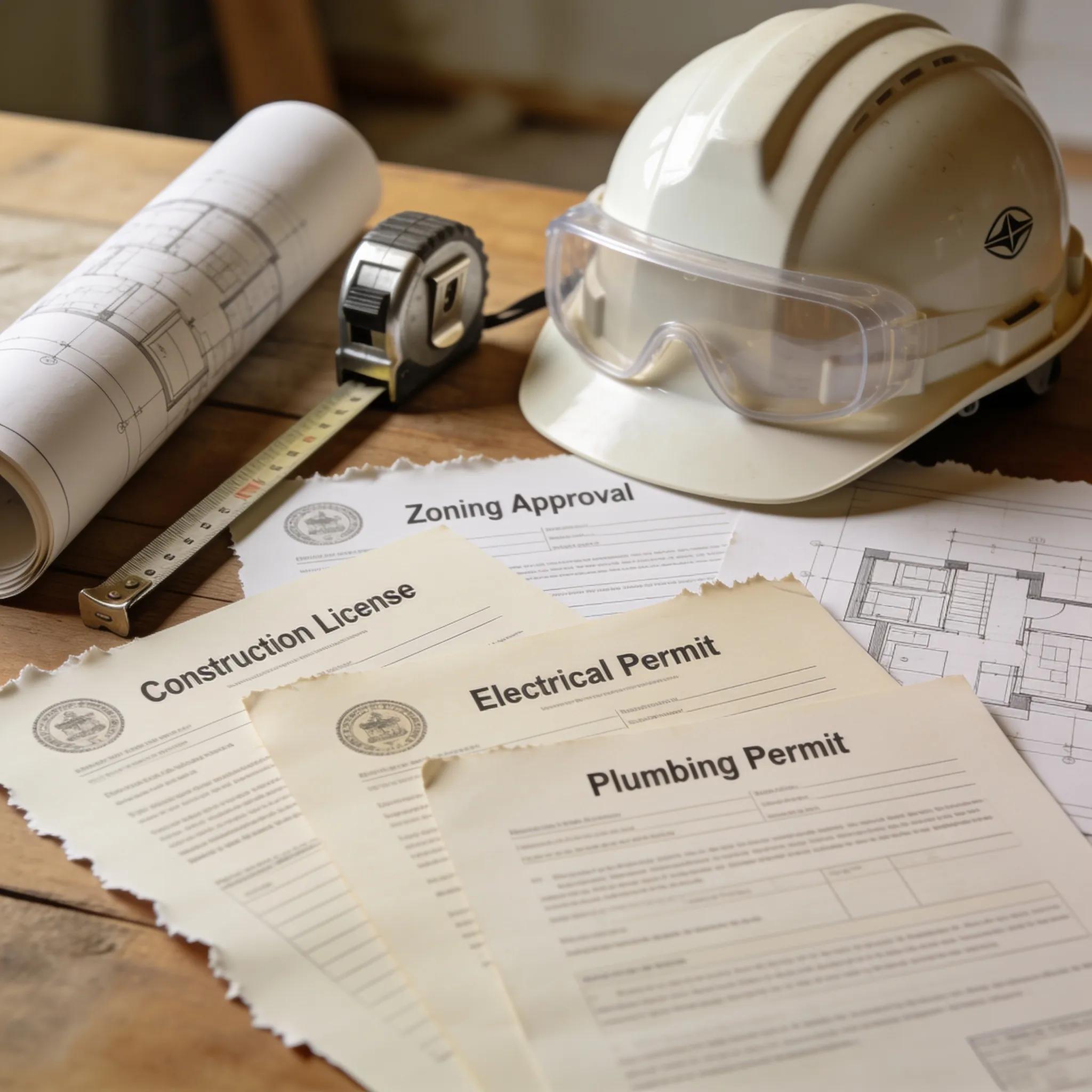
In South Florida, various building permits are imperative for remodels. These permits ensure that all renovations meet safety standards and are compliant with local regulations. The principal types of permits required include building permits, electrical permits, and plumbing permits.
How do Building, Electrical, and Plumbing Permits Differ in South Florida?
In South Florida, the distinctions among building, electrical, and plumbing permits are significant due to their specific regulatory purposes:
- Building Permits: These are required for any structural changes or alterations to properties, ensuring that the work complies with local building codes.
- Electrical Permits: Needed for any electrical system changes, such permits ensure that wiring, fixtures, and installations are safe and up to code.
- Plumbing Permits: These permits are mandatory for plumbing work, encompassing installations, repairs, or alterations to pipelines and fixtures.
Each permit type plays a crucial role in the overall safety and functionality of the remodeled space.
Which Local Government Agencies Manage Permit Applications in Miami-Dade and Broward?
Local government agencies that oversee permit applications for remodels in Miami-Dade and Broward counties include:
- Miami-Dade Building Department: Responsible for issuing building permits and ensuring compliance with Miami-Dade County regulations.
- Broward County Permit Office: This office manages permits for Broward County, addressing all aspects of building, electrical, and plumbing projects.
Understanding the specific roles of these agencies can streamline the application process significantly. If you’re a general contractor West Palm Beach or working in nearby areas such as Hollywood FL or Delray Beach, knowing these agencies can be essential for your project’s success.
Essential Building Permits for South Florida Remodels
The application process for remodeling permits in South Florida, including bathroom remodeling Fort Lauderdale projects, can seem daunting. However, by breaking it down into clear steps, it becomes more manageable.
What Are the Required Documents and Submission Steps for Remodel Permits?
To successfully apply for remodel permits, the following documents and steps are typically required:
- Application Forms: Complete the necessary applications specific to the type of permit being sought, available through local agency websites.
- Architectural Plans: Detailed designs outlining the intended renovations should be provided.
- Supporting Documents: Include relevant documentation such as site plans, contractor licenses, and proof of ownership.
- Submission Process: Submit the above materials to the relevant local authority, either in person or online, depending on agency procedures.
Familiarity with these elements can expedite the permit acquisition and set a solid foundation for your remodeling project.
How Has Digitalization Changed Permit Applications in South Florida?
Digitalization has transformed how permit applications are submitted in South Florida. Online application systems allow homeowners and contractors to:
- Submit Applications Electronically: Making it quicker and more efficient to handle the necessary paperwork without in-person visits.
- Track Application Status: Users can monitor the progress of their applications, receiving updates on required approvals and necessary changes.
- Access Resources: Many agencies now provide resources and FAQs online, making it easier to find information related to the permitting process.
This shift to digital applications enhances efficiency and transparency in obtaining permits.
Essential Building Permits for South Florida Remodels
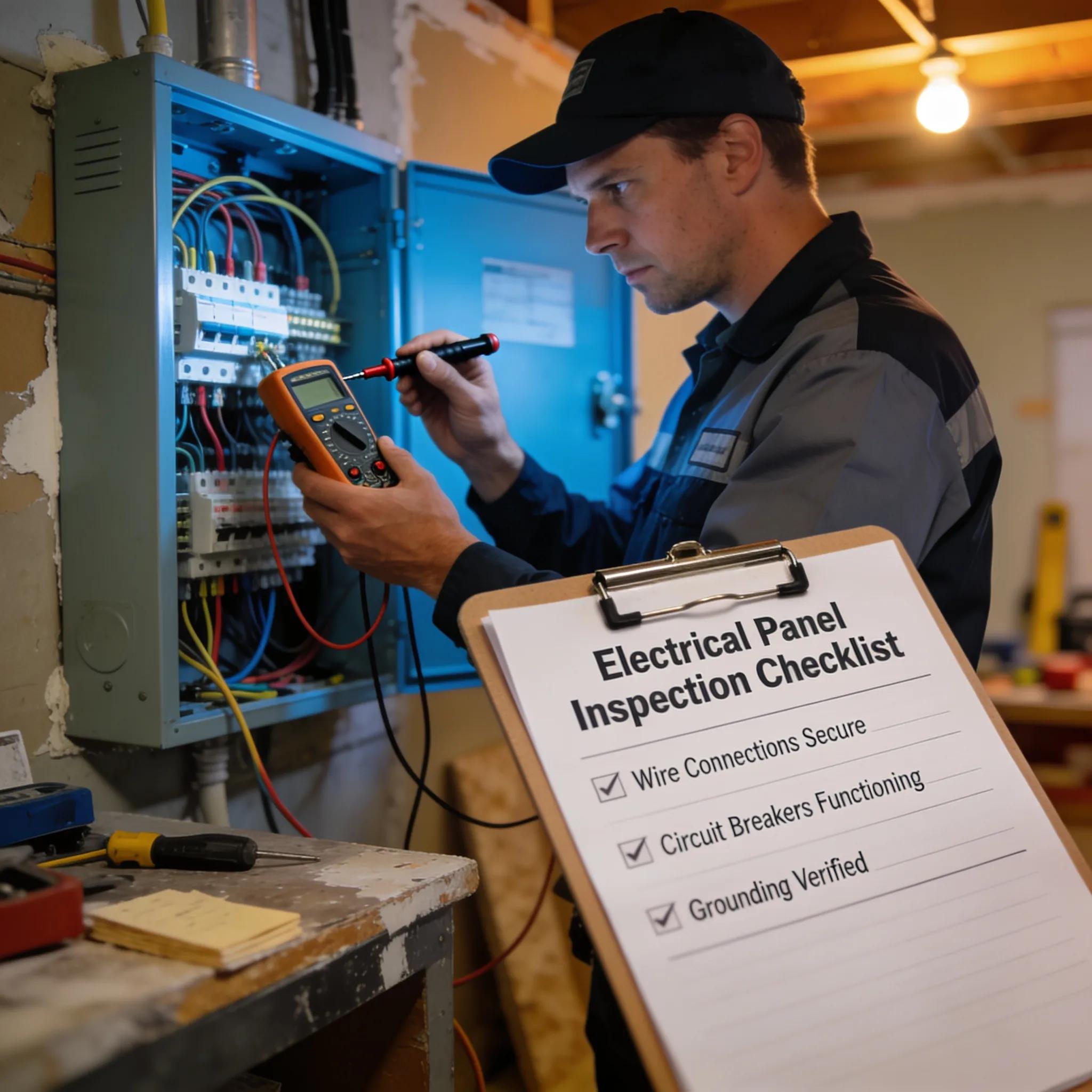
Inspections are a vital part of the remodeling process, ensuring that all work meets code requirements and safety standards.
What Are the Key Inspection Types: Structural, Electrical, HVAC, and Plumbing?
During remodeling projects in South Florida, several key inspection types must be conducted:
- Structural Inspections: Examining the integrity of the framework and load-bearing elements of a building.
- Electrical Inspections: Ensuring that all electrical installations comply with safety codes.
- HVAC Inspections: Assessment of heating, ventilation, and air conditioning systems for safe and efficient operation.
- Plumbing Inspections: Checking the integrity and compliance of plumbing installations with local codes.
Successful completion of these inspections is crucial for finalizing the remodel process.
How Does the Typical Inspection Timeline Progress Through the Remodel?
Understanding the inspection timeline is crucial for planning your remodel. Typically, the timeline progresses as follows:
- Foundation Inspection: Often the first inspection, conducted before pouring concrete.
- Framing Inspection: Takes place after the framing is complete but before insulation is added.
- Final Inspection: Occurs once all work is done, ensuring everything meets the required standards.
Planning these inspections as per your project schedule can mitigate delays and ensure a smooth remodeling process.
How Do Florida Building Code and Local Amendments Affect Remodel Compliance?
Florida’s building code, with its rigorous standards, plays a fundamental role in ensuring safety throughout the remodeling process.
What Are the Critical Code Requirements for Hurricane-Resistant Remodels?
Given the region’s susceptibility to hurricanes, it is vital for remodels, such as those in Hollywood FL and Delray Beach, to adhere to specific hurricane-resistant design requirements outlined in the Florida building code, including:
- Wind-Load Requirements: Structures must be designed to withstand high winds.
- Impact-Resistant Materials: Use of materials that can resist damage from flying debris during storms.
- Proper Anchoring Systems: Essential for stabilizing structures against wind forces.
Compliance with these regulations not only ensures safety but can also reduce insurance premiums.
How Do Sustainability Standards Influence Permit Approval?
Sustainability standards increasingly influence permit approvals in South Florida, reflecting a broader trend towards eco-friendly construction practices. These standards emphasize:
- Energy Efficiency: Requirements for energy-efficient systems and appliances.
- Sustainable Materials: Preference for materials sourced sustainably and with minimal environmental impact.
- Water Conservation: Implementing systems that reduce water usage and optimize resource management.
Leveraging these standards can enhance not only the appeal of a project but also potentially streamline the approval process.
What Are Common Remodel Permit Delays and How Can You Avoid Them?
Delays in obtaining remodel permits can be frustrating and disruptive. Identifying common causes enables homeowners and contractors to plan proactively.
What Causes Frequent Permit Approval Bottlenecks in South Florida?
Common causes of delays in permit approvals include:
- Incomplete Applications: Missing documents can result in processing failures.
- High Volume of Applications: During peak seasons, the inflow of requests may overwhelm local offices.
- Regulatory Changes: New codes or regulations can complicate existing applications.
Addressing these issues upfront can significantly reduce wait times.
How Can Contractors and Homeowners Ensure a Smooth Inspection and Approval Process?
To facilitate a seamless inspection and approval process, consider the following tips:
- Prepare Thoroughly: Ensure all documentation is complete and accurate before submission.
- Maintain Open Communication: Regularly communicate with local agencies to stay informed about any updates or changes.
- Hire Qualified Professionals: Engaging experienced contractors familiar with local regulations, particularly those specializing as general contractor West Palm Beach or in other key locations like Delray Beach and Hollywood FL, can streamline the entire process.
Implementing these strategies fosters better relationships with permitting authorities and increases the likelihood of timely approvals.
What Roles Do Licensed Contractors Play in South Florida Remodel Permitting?
Licensed contractors are crucial to the remodel permitting process in South Florida. Their expertise guides homeowners through the intricate landscape of building requirements.
How Are Contractors Responsible for Permit Procurement and Compliance?
Contractors hold the responsibility for ensuring all necessary permits are obtained before starting any work. This involves:
- Applying for Permits: They handle the entire application process on behalf of clients.
- Scheduling Inspections: Coordinating with local agencies to ensure timely inspections throughout the remodel.
- Ensuring Compliance: Making sure that all work performed meets local code requirements to avoid potential legal issues.
This expertise not only saves time but also helps avoid costly mistakes.
What Should Clients Verify About Contractors’ Credentials and Experience?
Clients should verify several credentials and experience areas before hiring contractors:
- Licensing: Confirm that contractors hold valid, up-to-date licenses in Florida.
- Insurance: Ensure they possess liability insurance to cover any potential damages or accidents.
- References and Past Work: Review previous project portfolios and client testimonials to gauge capabilities and reliability.
Performing these checks can instill confidence in the contractor’s ability to handle the remodel effectively.