Flooring Selection Guide: Expert Insights on Hardwood, Tile, and Luxury Vinyl Choices in South Florida
By Boris Slutsky, Licensed General Contractor and Founder of Turnkey Builds LLC.
Selecting the right flooring for your home is crucial, especially in South Florida communities like Boca Raton, Fort Lauderdale, Delray Beach, and Hollywood, FL, where climate challenges are unique. Different flooring materials offer varied benefits and drawbacks, including aesthetics, durability, and maintenance. This guide dives into three popular selections: hardwood, tile, and luxury vinyl plank flooring, highlighting their unique characteristics and suitability for humid environments prevalent throughout South Florida. Many homeowners struggle with moisture resistance and long-term maintenance, leading to premature wear or aesthetic issues in their flooring choices. Whether you’re renovating or building in Boca Raton, Fort Lauderdale, or nearby areas, this article outlines key factors to consider, including performance, installation costs, and climate impacts.
What Are the Key Benefits and Drawbacks of Hardwood Flooring?
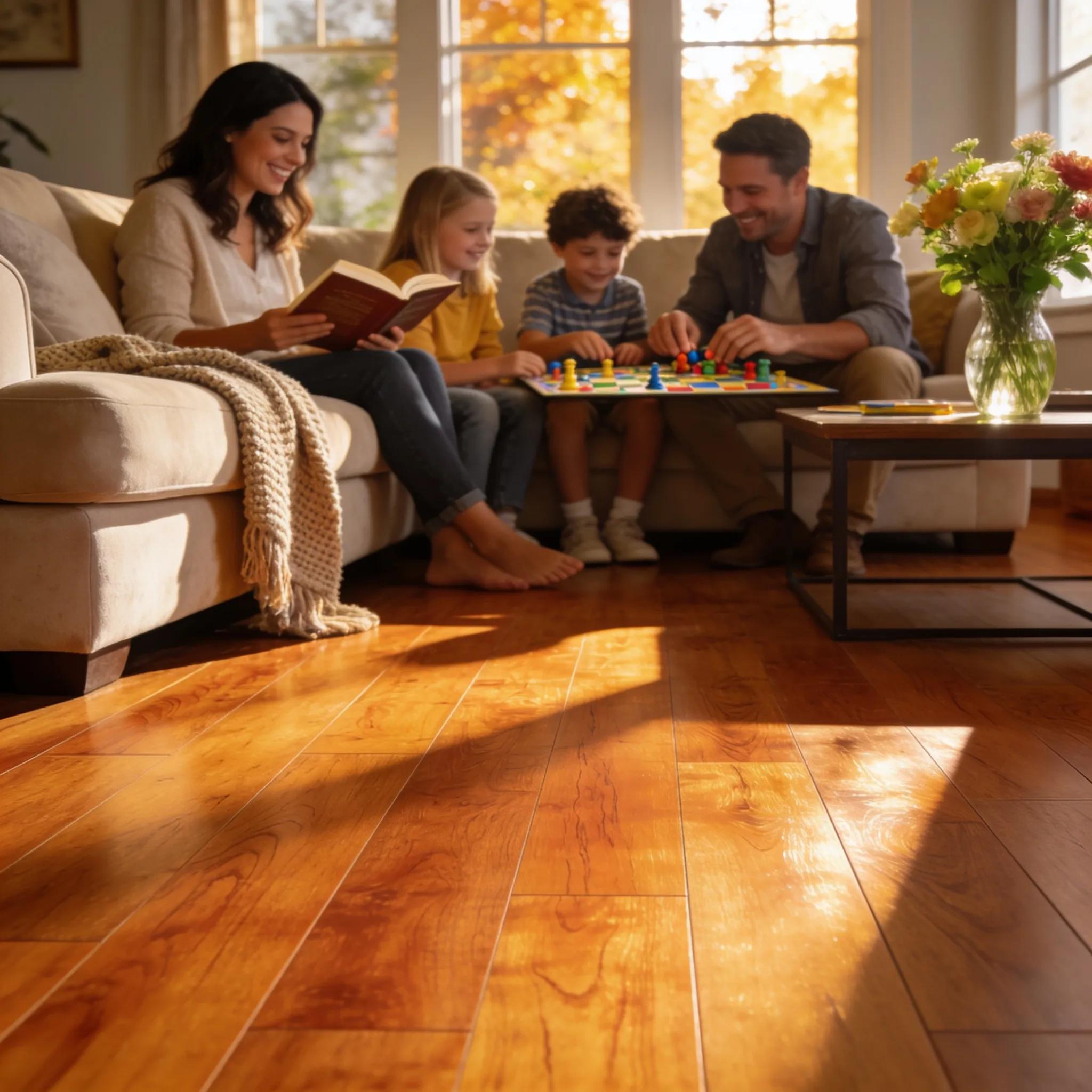
Hardwood flooring is renowned for its timeless beauty and durability, often enhancing a home’s value. Made from solid timber, hardwood offers a rich aesthetic and can last for decades with proper care. However, its susceptibility to moisture is a significant drawback, especially in the humid South Florida climate. When exposed to high humidity in areas like Delray Beach or Hollywood, FL, hardwood can swell, warp, or crack, which may lead to costly repairs or replacements. Nonetheless, with the right selection of wood species and proper treatments tailored for South Florida’s conditions, hardwood flooring can be a sustainable and attractive choice for many homeowners.
How Does Hardwood Flooring Perform in South Florida’s Humid Climate?
In South Florida’s humid climate, including cities such as Boca Raton and Fort Lauderdale, hardwood flooring faces specific challenges that can affect its longevity and appearance. High moisture levels can lead to issues such as swelling and warping. To counteract these effects, homeowners might consider using engineered hardwood, which is designed to withstand fluctuations in humidity better than solid hardwood. Species like oak and maple tend to perform better, given their natural resistance to environmental changes seen in the Florida coastline. Additionally, using treatments such as moisture barriers during installation can enhance durability in humid conditions common throughout South Florida.
What Are the Typical Installation Costs and Maintenance Requirements for Hardwood?
The installation costs for hardwood flooring can vary significantly based on the material selected and the complexity of the installation process. Typically, homeowners in South Florida can expect to pay between $8 to $20+ per square foot for materials and installation. Routine maintenance includes refinishing every 5-10 years and weekly cleaning to maintain its appearance. Compared to tile or luxury vinyl, hardwood may require more intensive upkeep, making homeowners in Boca Raton and other South Florida cities mindful of its resilience against wear and tear caused by humidity and heavy foot traffic.
Which Tile Flooring Types Offer the Best Durability and Moisture Resistance?
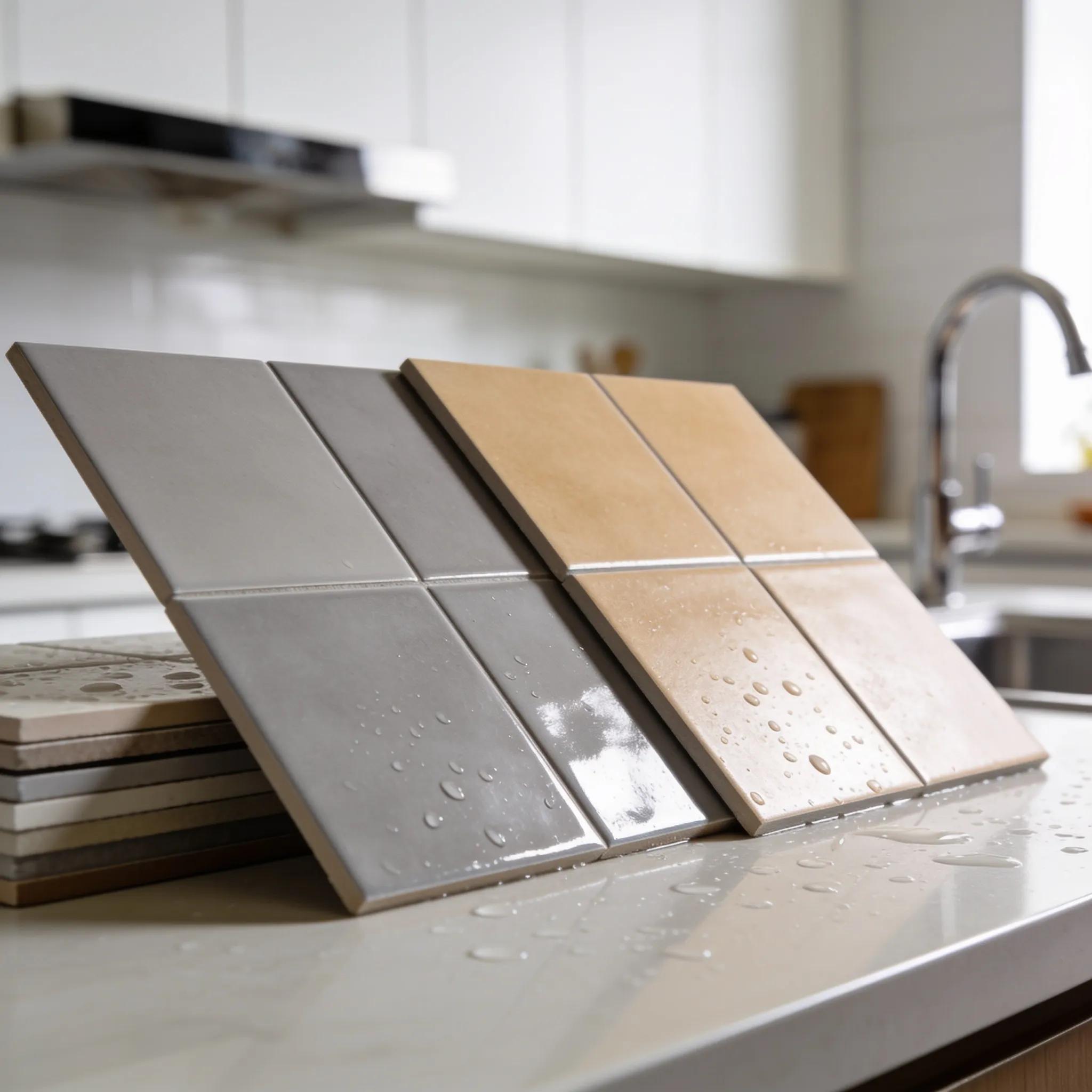
Tile flooring stands out for its exceptional durability and moisture resistance, making it a favorable choice for humid climates like South Florida. For homeowners in Fort Lauderdale, Delray Beach, and Hollywood, FL, understanding the differences between ceramic and porcelain tiles is crucial. Ceramic tiles are generally more affordable and easier to install but are less dense and may absorb more moisture than porcelain tiles, which are fired at higher temperatures, making them denser and less porous. This density gives porcelain superior performance in wet areas, ensuring longevity and minimal maintenance in moisture-prone homes across South Florida.
How Do Ceramic and Porcelain Tiles Compare for South Florida Homes?
In comparing ceramic and porcelain tiles, several factors play a role in effective flooring selection for homes in South Florida cities such as Boca Raton and Fort Lauderdale. Ceramic tiles are typically more affordable and available in various colors and patterns. They are suitable for low to moderate moisture areas. In contrast, porcelain tiles offer enhanced durability due to their lower water absorption rates, making them ideal for kitchens and bathrooms where humidity and occasional water exposure are common. Ultimately, the choice between these materials should factor in the specific environment and intended use within the home.
What Are the Installation Considerations and Cost Factors for Tile Flooring?
Installation costs for tile flooring generally range from $8 to $15+ per square foot, influenced by factors such as tile type, complexity of patterns, and local labor rates in areas like Delray Beach and Hollywood, FL. Additionally, preparation work, including leveling and underlayment installation, can impact total costs. Homeowners should also consider the tools and materials required for installation when planning their budgets. Proper installation is critical for ensuring tiles maintain their integrity over time, especially in moisture-rich environments common in South Florida.
Why Is Luxury Vinyl Plank Flooring Increasingly Popular for Moisture Resistance?
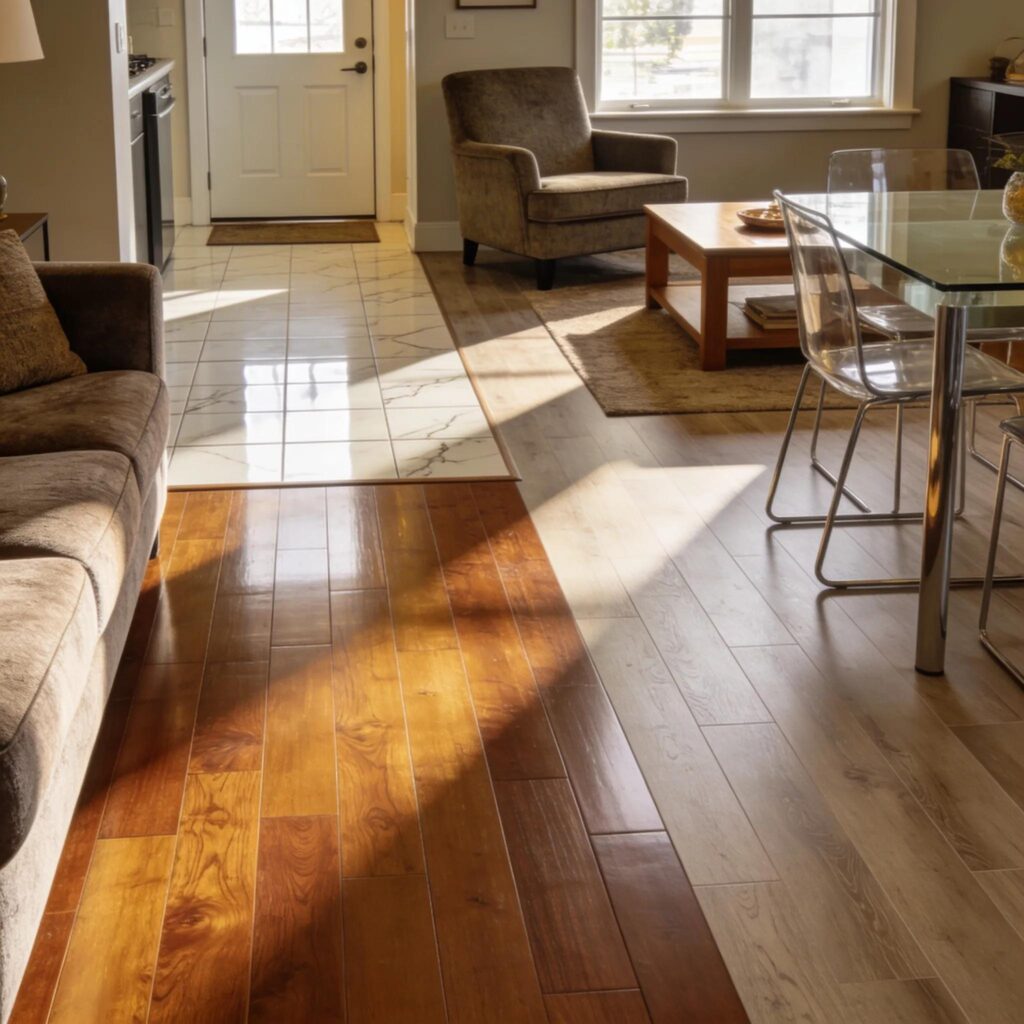
Luxury vinyl plank (LVP) flooring has gained popularity in South Florida due to its excellent performance in moisture-rich environments. Unlike traditional hardwood and tile, LVP is water-resistant and can mimic the appearance of natural materials without the associated vulnerabilities. Homeowners seeking a functional yet stylish flooring option in Boca Raton, Fort Lauderdale, Delray Beach, and Hollywood, FL, often turn to LVP, especially for areas prone to spills or humidity. Its resilience makes it a practical choice for families and pets in these moisture-laden locales.
How Does Luxury Vinyl Plank Mimic Hardwood Appearance While Resisting Humidity?
Luxury vinyl plank flooring is designed to simulate the look of hardwood through advanced printing technologies and embossing techniques. It features a textured surface that can replicate the grain and finish of wood, providing an authentic aesthetic. This visual authenticity comes with the bonus of enhanced durability, as LVP is much less susceptible to moisture damage, stains, and scratches than traditional hardwood, making it well-suited for South Florida’s humid environment. Consequently, many homeowners in South Florida opt for LVP as a cost-effective solution that doesn’t compromise on style or performance.
What Are the Installation Costs and Longevity Expectations for Vinyl Plank?
Installation costs for luxury vinyl plank flooring typically range from $6 to $12 per square foot, making it one of the more affordable flooring options for South Florida residents. LVP’s lifespan averages 10 to 20 years with proper care, placing it slightly below hardwood in terms of durability and longevity. Maintaining LVP involves simple cleaning practices, primarily sweeping and occasional mopping, which contributes to its overall appeal as a low-maintenance flooring solution suited for varied home environments throughout South Florida.
How Do Hardwood, Tile, and Luxury Vinyl Flooring Compare on Cost, Durability, and Care in South Florida?
When weighing the options among hardwood, tile, and luxury vinyl flooring in South Florida, several factors come into play — including cost, durability, and maintenance. All three flooring types offer unique benefits, but their performance can vary significantly based on individual needs and the humid, coastal environment found in Boca Raton, Fort Lauderdale, Delray Beach, and Hollywood, FL.
- Cost Variability: Hardwood typically incurs higher setup costs due to material pricing and refinishing requirements, while tile and LVP can be more affordable for homeowners in South Florida.
- Durability: Tile is incredibly durable and resistant to moisture but can be cold and hard underfoot. Hardwood offers warmth but needs proper maintenance to resist humidity effects. LVP excels in moisture resistance and has a robust lifespan suitable for South Florida homes.
- Care Requirements: Hardwood requires regular maintenance and refinishing; tile needs resealing in moist areas; LVP is easy to clean and maintain, with no sealing required.
What Flooring Offers the Best Return on Investment in South Florida’s Climate?
In South Florida, the best return on investment for flooring often comes down to moisture resistance and maintenance needs. Luxury vinyl plank flooring is rising in popularity across Boca Raton, Fort Lauderdale, and nearby areas due to its low upfront cost and minimal maintenance, offering significant long-term savings. Hardwood, while aesthetically pleasing, may not deliver the same ROI due to its susceptibility to moisture-related issues and higher upkeep costs. Therefore, homeowners in South Florida should consider potential long-term value and longevity when making flooring choices.
What Maintenance Practices Ensure Long-Term Flooring Performance?
To ensure long-term performance across flooring types in South Florida homes, homeowners should implement these maintenance practices:
- Dust and Sweep Regularly: Prevent scratches and buildup of dirt.
- Use Appropriate Cleaners: Opt for cleaners designed for specific flooring types to maintain finish and protection.
- Install Rugs in High Traffic Areas: Protect vulnerable surfaces from wear and tear.
- Schedule Regular Inspections: Identify wear and address issues before they escalate.
What South Florida-Specific Climate Considerations Affect Flooring Selection Choices?
South Florida’s unique climate, including the coastal environments of Boca Raton, Fort Lauderdale, Delray Beach, and Hollywood, FL, poses challenges for flooring selection, requiring careful consideration of material properties to avoid premature deterioration. High humidity and temperature variations can impact material performance, thus influencing homeowners’ decisions.
Understanding these climatic impacts can help homeowners select materials that withstand environmental factors while maintaining aesthetic appeal in their South Florida residences.
How Does High Humidity Influence Flooring Material Durability in South Florida?
High humidity levels in South Florida can lead to accelerated wear and tear for various flooring materials. For example, hardwood may swell and warp, while porous materials like ceramic tiles can absorb moisture and develop mold at grout joints if not maintained properly. In contrast, LVP remains stable and visually appealing, making it an optimal choice for homeowners concerned about humidity-induced damage in Boca Raton, Fort Lauderdale, or Delray Beach.
Which Flooring Options Offer Superior Moisture Resistance for South Florida Homes?
When considering moisture resistance, homeowners in South Florida have several flooring options that excel in humid conditions.
- Luxury Vinyl Plank: Water-resistant and stylish, making it a leading choice for many homeowners in Boca Raton, Fort Lauderdale, and Hollywood, FL.
- Porcelain Tiles: Non-porous and highly durable, ideal for areas exposed to water such as kitchens and bathrooms in South Florida homes.
- Engineered Hardwood: More robust in humid conditions compared to solid hardwood, often recommended for tropical climates like South Florida.
Choosing the right flooring involves understanding these materials’ properties and their interactions with South Florida’s humidity, ensuring homeowners make informed decisions that balance aesthetics and durability.