Complete Guide to Home Remodeling in South Florida: Expert Insights for Homeowners
By Boris Slutsky, TurnKey Builds LLC
Welcome homeowners from Miami-Dade, Broward, and Palm Beach counties! Whether you are considering home remodeling in Miami, home remodeling in Boca Raton, home remodeling in Delray Beach, or planning a home addition in South Florida, this comprehensive guide is tailored to help you navigate the unique challenges and opportunities of remodeling in these vibrant coastal communities. South Florida’s distinct climate, local regulations, and architectural styles require specialized knowledge to ensure your renovation is both beautiful and compliant. This guide covers everything from permitting and budgeting to contractor selection and modern upgrades, with a special focus on the specific needs of Miami, West palm Beach, Boca Raton, Fort Lauderdale and Delray Beach homeowners.
What Are the Unique Remodeling Challenges in South Florida?
Remodeling in South Florida comes with distinct challenges that homeowners must navigate to ensure successful projects. The region’s unique climate, characterized by high humidity, salt air corrosion, and the potential for hurricanes, necessitates specific building practices and materials. Additionally, local regulations can complicate the remodeling process, requiring homeowners to stay informed about compliance requirements. Understanding these challenges is crucial for homeowners to avoid common pitfalls and achieve their desired outcomes.
How Do Hurricane-Resistant Building Codes Affect Renovations?
Hurricane-resistant building codes significantly impact renovation projects in South Florida. These codes are designed to ensure that homes can withstand the high winds and heavy rains associated with hurricanes. Homeowners must comply with specific requirements, such as reinforced structures, impact-resistant windows, secure roofing systems, and moisture management techniques to prevent mold and water damage. For instance, renovations that involve roof replacement or window upgrades must adhere to these codes to ensure safety and insurance compliance. Additionally, salt air corrosion protection is essential for coastal properties to maintain structural integrity over time. By understanding these regulations and climate considerations, homeowners can make informed decisions about their remodeling projects and avoid costly mistakes.
What Permitting Requirements Must Homeowners Know?
Navigating the permitting process is a critical aspect of home remodeling in South Florida. Homeowners must be aware of the various permits required for different types of renovations, which can include building permits, electrical permits, and plumbing permits. Failing to obtain the necessary permits can lead to fines and complications during the renovation process.
How to Navigate Permitting and Regulatory Compliance in South Florida
To effectively manage the permitting process, homeowners should take several key steps. First, it’s essential to research the specific permits required for the intended renovations. Engaging with local authorities early in the planning process can provide clarity on requirements and timelines. Additionally, homeowners may benefit from working with experienced contractors who understand the local permitting landscape and can assist in obtaining the necessary approvals.
What Is the Step-by-Step Process for Obtaining Remodeling Permits?
Obtaining remodeling permits typically involves a clear, actionable process:
- Application Submission: Homeowners must complete and submit the appropriate permit applications to their local building department.
- Documentation: Required documentation may include architectural plans, engineering reports, and proof of property ownership.
- Review Process: The local authority will review the application and documentation, which may take several weeks.
- Approval and Fees: Once approved, homeowners will need to pay any associated fees before receiving the permit.
By following these steps, homeowners can streamline the permitting process and avoid unnecessary delays.
How Does Turnkey Builds Simplify Permit Management?
TurnKey Builds offers a comprehensive approach to permit management, helping homeowners navigate the complexities of obtaining necessary approvals. With a focus on local expertise, TurnKey Builds provides regular updates throughout the permitting process, ensuring that homeowners are informed every step of the way. Their coordination with inspections and adherence to local regulations simplifies the experience, allowing homeowners to focus on their remodeling vision.
What Are the Key Factors in Budgeting and Cost Management for South Florida Home Renovations?
Budgeting for home renovations in South Florida requires careful consideration of various factors that can influence overall costs. Homeowners must account for materials, labor, permits, and unexpected expenses that may arise during the project. Understanding these elements is essential for effective cost management and ensuring that the renovation stays within budget.
How to Estimate the Cost of Home Renovation in Florida Accurately?
Accurate cost estimation for home renovations involves several key considerations:
- Material Costs: Researching the prices of materials specific to South Florida can help homeowners budget effectively.
- Labor Costs: Hiring qualified contractors may vary in cost, so obtaining multiple quotes can provide a clearer picture of labor expenses.
- Contingency Fund: Setting aside a contingency fund of 10-20% of the total budget can help cover unexpected costs that may arise during the renovation.
By taking these factors into account, homeowners can create a realistic budget that accommodates their renovation goals.
City-Specific Remodeling Cost Ranges and Permit Fees
Costs and permit fees vary across South Florida cities due to differing local regulations and market conditions:
- Miami: Home remodeling in Miami typically ranges from $150 to $300 per square foot, with permit fees averaging 1.5% to 2% of the project cost. Additional costs may arise due to strict flood zone elevation requirements and Art Deco preservation rules.
- Boca Raton: Remodeling costs in Boca Raton are generally higher, ranging from $175 to $350 per square foot, reflecting the luxury standards common in the area. Permit fees can be 2% to 2.5% of the project cost, especially in gated communities with HOA oversight.
- Delray Beach: Costs in Delray Beach range from $140 to $280 per square foot, with permit fees around 1.5% to 2%. Renovations near the Atlantic Avenue historic district or beachfront properties may incur additional expenses due to special regulations and environmental considerations.
What Financing and Payment Options Are Available for Remodeling Projects?
Homeowners in South Florida have several financing options available for remodeling projects, including:
- Home Equity Loans: These loans allow homeowners to borrow against the equity in their homes, providing funds for renovations.
- Personal Loans: Unsecured personal loans can be used for smaller renovation projects without requiring collateral.
- Credit Cards: For minor renovations, using credit cards can provide immediate access to funds, though interest rates may be higher.
Understanding these options can help homeowners choose the best financing method for their specific needs.
City-Specific Home Remodeling Guide
Miami
Home remodeling in Miami requires attention to unique local factors. The city’s rich Art Deco heritage means many renovations must comply with preservation rules to maintain historic aesthetics. Additionally, Miami’s location in flood zones mandates strict elevation requirements for new construction and remodels to mitigate flood risks. Tropical modern architecture is a popular trend, blending sleek lines with natural materials to suit the climate. Local material sourcing often includes coral stone and impact-resistant glass, which provide durability against hurricanes and salt air corrosion.
Boca Raton
Boca Raton’s architectural landscape is heavily influenced by Mediterranean Revival and Spanish Colonial styles, which homeowners often seek to preserve or emulate in remodeling projects. Many properties are located within gated communities governed by homeowners’ associations (HOAs), which impose specific remodeling guidelines and approval processes. Luxury remodeling standards are prevalent, with high-end finishes and custom features expected. Understanding HOA requirements and local building codes is essential for successful projects in Boca Raton.
Delray Beach
Delray Beach offers a charming coastal lifestyle reflected in its popular coastal cottage and bungalow renovations. The Atlantic Avenue historic district presents unique considerations for remodels, including restrictions to preserve the area’s character. Beachfront properties face additional challenges such as salt air corrosion, moisture management, and compliance with coastal construction regulations. Homeowners must plan carefully to balance aesthetic goals with durability and regulatory compliance.
How to Select Qualified Home Remodeling Contractors in South Florida

Choosing the right contractor is a crucial step in the remodeling process. Homeowners should consider several factors when evaluating potential contractors to ensure they select a qualified professional who can deliver quality work.
What Credentials and Licensing Should You Verify?
When selecting a contractor, homeowners should verify the following credentials:
- General Contractor License: Ensure the contractor holds a valid license issued by the state of Florida.
- Insurance Requirements: Confirm that the contractor has liability insurance and workers’ compensation coverage to protect against potential accidents.
- References and Reviews: Request references from previous clients and check online reviews to gauge the contractor’s reputation and reliability.
By verifying these credentials, homeowners can make informed decisions and select a contractor who meets their needs.
How to Evaluate Contractor Experience in Luxury Renovations?
Evaluating a contractor’s experience in luxury renovations involves several key steps:
- Portfolio Review: Examine the contractor’s portfolio to assess the quality and style of their previous work.
- Client Testimonials: Speak with past clients to gain insights into their experiences and satisfaction with the contractor’s services.
- Specialization: Ensure the contractor has experience specifically in luxury renovations, as these projects often require specialized skills and attention to detail.
By conducting thorough evaluations, homeowners can select a contractor who is well-suited for their luxury remodeling projects.
What Is the Typical Project Timeline and How Is Remodeling Managed Professionally?
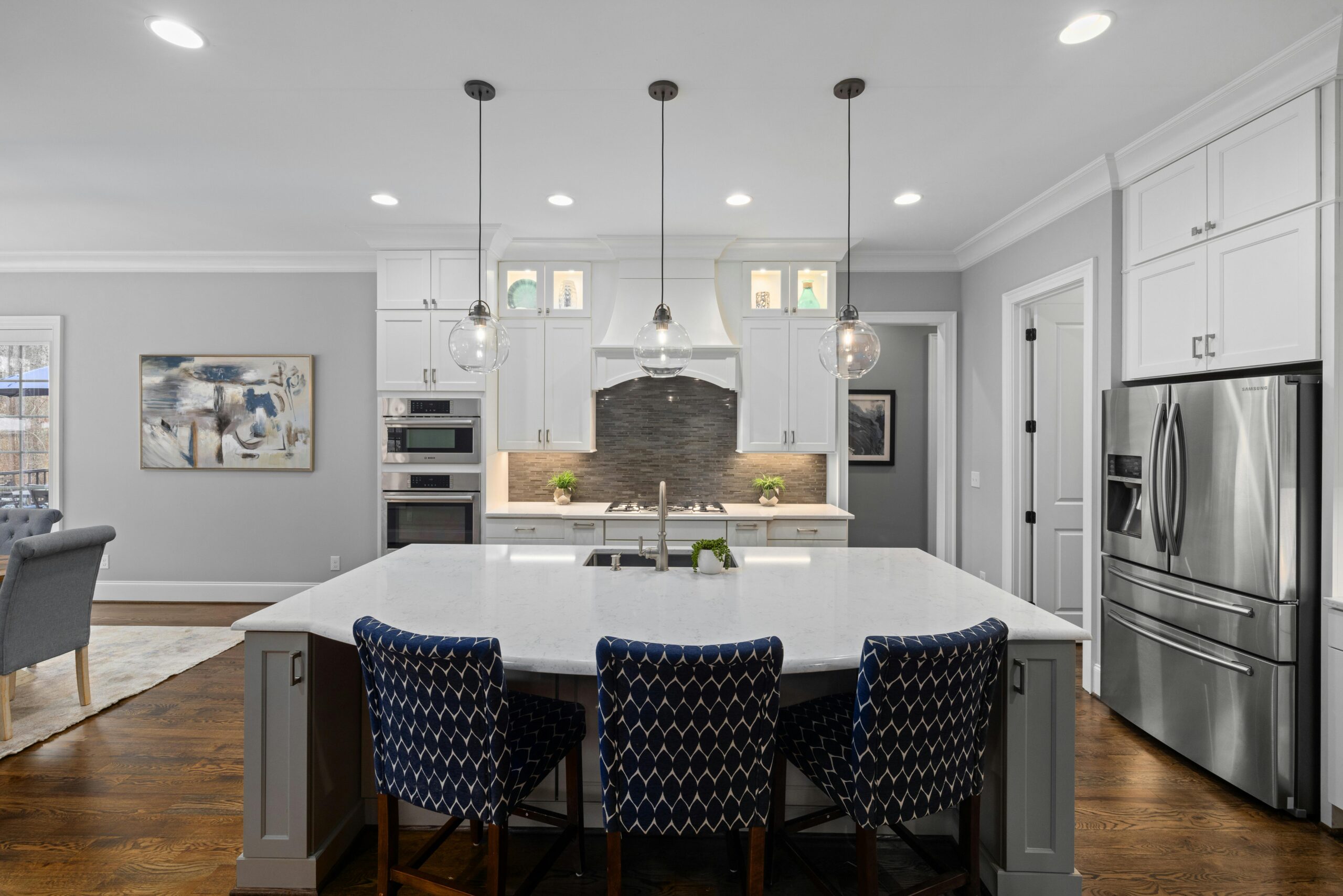
Understanding the typical project timeline for home remodeling is essential for homeowners to set realistic expectations. A well-managed remodeling project involves several phases, each with its own timeline and requirements.
What Are the Phases of a Full-Service Home Remodeling Project?
A full-service home remodeling project typically includes the following phases:
- Initial Consultation: This phase involves discussing the homeowner’s vision and goals for the renovation.
- Design Phase: During this phase, detailed plans and designs are created, often involving collaboration with architects and designers.
- Construction Phase: The actual renovation work takes place, with contractors executing the plans and managing the construction process.
Each phase is critical to the overall success of the project, and effective communication between homeowners and contractors is essential throughout.
How Does Turnkey Builds Ensure Transparent Communication and Timely Delivery?
TurnKey Builds prioritizes transparent communication and timely delivery throughout the remodeling process. By utilizing project management tools, they provide regular updates to homeowners, ensuring they are informed about progress and any potential delays. This commitment to communication fosters trust and collaboration, allowing homeowners to feel confident in their remodeling journey.
Home Additions in South Florida: Expanding Your Living Space
Planning a home addition in South Florida is an excellent way to increase your living space and add value to your property. Whether you are considering room additions, accessory dwelling units (ADUs), or second-story additions, understanding local zoning laws and regulations in Miami, Fort Lauderdale, Boca Raton, and Delray Beach is essential for a smooth process.
Room Additions
Room additions are popular for expanding kitchens, living areas, or bedrooms. In Miami, flood zone regulations may require elevated foundations or special construction techniques. Boca Raton’s gated communities often have HOA restrictions on exterior changes, so prior approval is necessary. Delray Beach homeowners near the coast must consider setbacks and environmental protections when planning additions.
Accessory Dwelling Units (ADUs)
ADUs provide flexible living options such as guest houses or rental units. Miami has recently updated zoning to encourage ADU construction, but flood elevation and parking requirements apply. Boca Raton permits ADUs in certain zones but enforces strict design guidelines to maintain neighborhood character. Delray Beach allows ADUs with attention to historic district rules and coastal impact assessments.
Second-Story Additions
Adding a second story can dramatically increase space but involves more complex structural and permitting challenges. Miami’s building codes require hurricane-resistant designs and flood mitigation for elevated structures. Boca Raton’s luxury remodeling standards demand high-quality finishes and architectural harmony with the existing home. In Delray Beach, second-story additions near the beach must address salt air corrosion protection and moisture management to ensure durability.
By understanding these city-specific zoning and construction requirements, homeowners can successfully plan and execute home additions in South Florida that enhance their lifestyle and property value.
How to Incorporate Energy Efficiency and Modern Upgrades in Your South Florida Remodel
Incorporating energy efficiency and modern upgrades into home renovations is increasingly important for homeowners in South Florida. These enhancements not only improve comfort but also contribute to long-term cost savings and environmental sustainability.
What Are the Latest Trends in Energy-Efficient Home Improvements?
Several trends in energy-efficient home improvements are gaining popularity among homeowners:
- Solar Panels: Installing solar panels can significantly reduce energy costs and reliance on traditional power sources.
- Energy-Efficient Windows: Upgrading to double or triple-pane windows can improve insulation and reduce energy consumption.
- Smart Home Technology: Integrating smart home systems allows homeowners to monitor and control energy usage more effectively.
By adopting these trends, homeowners can enhance their living spaces while promoting sustainability.
How Can Smart Home Integration Enhance Your Renovation?
Smart home integration offers numerous benefits for homeowners undertaking renovations. By incorporating smart technology, homeowners can:
- Increase Convenience: Smart devices allow for remote control of lighting, heating, and security systems.
- Enhance Energy Efficiency: Automated systems can optimize energy usage based on occupancy and preferences.
- Improve Home Value: Homes equipped with smart technology often attract higher resale values due to their modern features.
Integrating smart home technology into renovations not only enhances the living experience but also positions homes for future market demands.