Understanding the Home Remodeling Timeline: How Long Does Your Project Really Take?
By Boris Slutsky, Licensed General Contractor and Founder of TurnKey Builds LLC.
Starting a home remodeling project is exciting, but it’s natural to wonder how long everything will actually take. Knowing what to expect at each stage — design, permitting, construction — makes a real difference in how smooth the experience feels. In this guide, we walk through the typical timelines for each phase, the factors that can speed things up or slow them down, and practical ways to keep your project moving. With a clear picture of what’s ahead, you can set realistic expectations and enjoy the process instead of stressing over it. We’ll also show how a team like Turnkey Builds LLC keeps homeowners informed and supported from the first conversation to the final walkthrough.
The typical duration of various home remodeling projects can vary significantly based on the project’s scope and complexity. Here are the general timelines for different phases of a full home remodel:
No two remodeling projects follow exactly the same schedule — there are too many variables at play. That said, here’s a general breakdown of what each phase tends to look like:
Planning Phase: 1-2 weeks
Design Phase: 2-8 weeks
Permitting Phase: 2-10 weeks
Construction Phase: 4-16 weeks
Final Inspections and Punch-Out: 1-2 weeks
Planning Phase: 1-2 weeks
Design Phase: 2-8 weeks
Permitting Phase: 2-10 weeks
Construction Phase: 4-16 weeks
Final Inspections and Punch-Out: 1-2 weeks
Knowing this breakdown ahead of time helps you spot potential delays before they happen and plan your life around the work.
What Are the Key Phases in a Remodeling Project Timeline?
Every remodeling project moves through the same broad arc — from that first spark of an idea to the final walkthrough. Along the way, it passes through consultation, design, permitting, construction, and final inspection, and each step matters for keeping the schedule on track and the finished work up to standard.
Initial Consultation (Duration: 1 week)
The initial consultation sets the tone for everything that follows. This is where homeowners sit down with the professionals to talk through their vision, swap ideas, and pin down the scope of the work — covering everything from materials to design preferences to how long it might take. Getting on the same page early, through open and honest conversation, goes a long way toward a project that runs smoothly.
Planning and Design (Duration: 4-8 weeks)

Once the consultation wraps up, homeowners move into planning and design alongside architects and designers. This is the stage where the details take shape — refining layouts, choosing materials, and locking in the final design. It usually takes 4 to 8 weeks, though last-minute changes or hard-to-source materials can stretch that out. Getting this phase right matters, because it sets the pace for everything built afterward.
Permitting (Duration: 2-10 weeks)
With the design finalized, the project moves into permitting — submitting detailed plans to local authorities for approval. This can take anywhere from 2 to 12 weeks, depending on local regulations and how complex the project is. It’s worth building in some buffer time here, since many municipalities require inspections before issuing a permit. Knowing the local requirements upfront can save a lot of waiting around.
Construction Phase (Duration: 4-16 weeks)
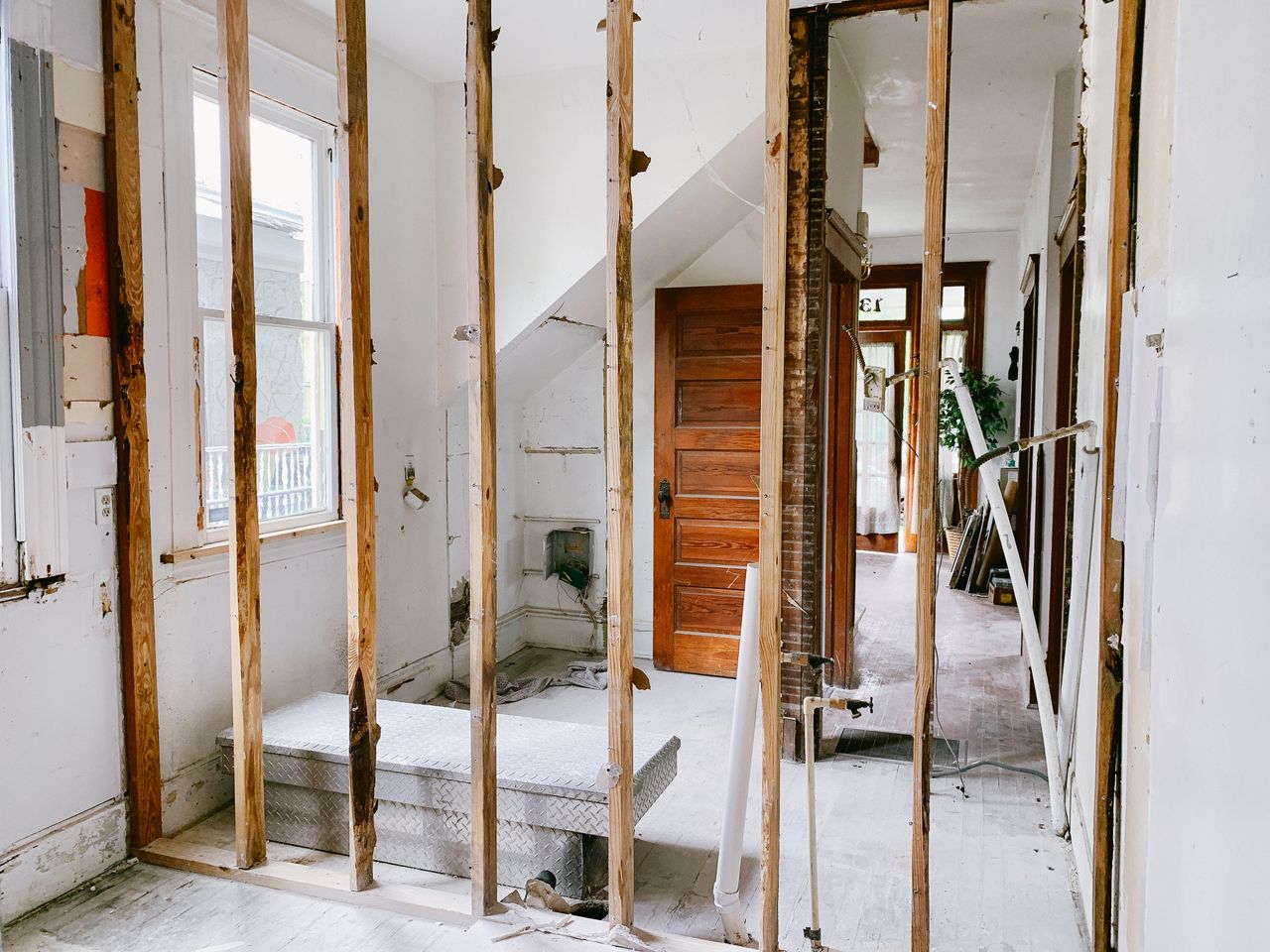
This is where the real transformation happens. Construction typically runs 6 to 12 weeks, depending on the scale of the project and how efficiently the crews work. Plumbers, electricians, and carpenters all need to move in sync, which is why strong project management makes such a difference — it keeps the schedule on track and the craftsmanship where it should be.
Final Inspections and Punch-Out (Duration: 1-2 weeks)
Once construction wraps, a final inspection confirms everything meets code and holds up to quality standards. This stage usually takes about two weeks, during which any last touch-ups or “punch-out” items get handled. Staying involved here helps make sure the finished project truly matches what was promised.
How Does Each Remodeling Phase Impact Overall Duration?
Every phase has its own pressures, and they’re all connected. A slow start in design, for example, can squeeze the construction schedule and lead to rushed work or missed deadlines. Seeing how these pieces fit together helps homeowners stay flexible and get ahead of problems instead of reacting to them.
Estimated Timelines for Your Home Remodeling Project
It’s natural to have questions about what happens during the biggest phases of a remodel. Staying engaged throughout makes the whole experience go more smoothly.
Design Expectations: Homeowners should expect iterative feedback between their vision and the designer’s expertise. It’s common to refine designs multiple times.
Permitting Expectations: Delays can occur, often due to bureaucratic inefficiencies. Homeowners should be proactive about following up on applications.
Construction Expectations: Communication is vital throughout the construction phase. Frequent updates from the contractor can reassure homeowners regarding timeline adherence.
Design Expectations: Homeowners should expect iterative feedback between their vision and the designer’s expertise. It’s common to refine designs multiple times.
Permitting Expectations: Delays can occur, often due to bureaucratic inefficiencies. Homeowners should be proactive about following up on applications.
Construction Expectations: Communication is vital throughout the construction phase. Frequent updates from the contractor can reassure homeowners regarding timeline adherence.
Staying informed and engaged at every step is one of the simplest ways to keep a remodel on track.
How Long Does a Typical Kitchen or Bathroom Remodel Take?
How long a kitchen or bathroom remodel takes really comes down to size, complexity, and the materials you choose. On average, a kitchen remodel takes about 6-10 weeks, while a bathroom remodel runs 4-8 weeks. Here are key factors that shape those timelines:
Design Complexity: Customized designs may require additional time for planning and execution.
Material Selection: Special orders for particular materials can elongate the process if they face delays.
Contractor Scheduling: Availability and the contractor’s efficiency play a vital role in determining how quickly the remodel can proceed.
Design Complexity: Customized designs may require additional time for planning and execution.
Material Selection: Special orders for particular materials can elongate the process if they face delays.
Contractor Scheduling: Availability and the contractor’s efficiency play a vital role in determining how quickly the remodel can proceed.
If you’re looking for a team you can trust with the details, Turnkey Builds LLC manages kitchen and bathroom projects with the efficiency and quality homeowners expect.
What Is the Average Kitchen Remodel Timeframe from Start to Finish?
Most kitchen remodels wrap up within 6 to 10 weeks from start to finish, covering design, permitting, and construction. Homeowners can help keep that timeline realistic by making decisions promptly and getting the space ready before the more disruptive work begins.
Staying in close contact with your contractor goes a long way, too — engaged clients often find ways to keep things moving without cutting corners on quality.
How Does Bathroom Remodel Duration Compare and What Factors Affect It?
Bathroom remodels usually take 4 to 8 weeks. The gap between kitchen and bathroom timelines usually comes down to a few things:
Space Size: Bathrooms usually occupy less space, which translates into shorter construction times.
Complexity of Renovations: A bathroom remodel often requires fewer trades compared to larger kitchen projects.
Material Choices: Standard materials may accelerate the process compared to custom or specialty options.
Space Size: Bathrooms usually occupy less space, which translates into shorter construction times.
Complexity of Renovations: A bathroom remodel often requires fewer trades compared to larger kitchen projects.
Material Choices: Standard materials may accelerate the process compared to custom or specialty options.
Talking with professionals like Turnkey Builds LLC can give you a clearer sense of what to expect from your own bathroom remodel.
What Is the Expected Timeline for a Full Home Remodel?
A full home remodel is a big undertaking, typically taking 3-6 months depending on scope and complexity.
Homeowners can expect a few challenges along the way, such as:
Design Integration: Managing design elements across multiple rooms can lengthen the planning phase significantly.
Contractor Availability: Engaging reliable contractors who understand the scope can be pivotal in meeting established timelines.
Unexpected Issues: Older homes may present unforeseen structural challenges, affecting projected timelines.
Design Integration: Managing design elements across multiple rooms can lengthen the planning phase significantly.
Contractor Availability: Engaging reliable contractors who understand the scope can be pivotal in meeting established timelines.
Unexpected Issues: Older homes may present unforeseen structural challenges, affecting projected timelines.
With the right planning and an experienced team guiding the way, these challenges are manageable.
How Does Project Management Ensure On-Time Completion?
Strong project management is what keeps a remodel on schedule. Skilled project managers tend to lean on a few key strategies:
Regular Communication: Keeping homeowners informed about developments and potential delays.
Flexible Scheduling: Adjusting timelines based on real-time project needs, ensuring efficient use of resources.
Problem-Solving: Addressing challenges swiftly to mitigate disruption in the workflow.
Regular Communication: Keeping homeowners informed about developments and potential delays.
Flexible Scheduling: Adjusting timelines based on real-time project needs, ensuring efficient use of resources.
Problem-Solving: Addressing challenges swiftly to mitigate disruption in the workflow.
Turnkey Builds LLC leans on thorough project management practices that keep everyone accountable and in the loop, helping projects finish on time and on budget.
What Are the Typical Duration Estimates for Custom Home Renovations?
Custom home renovations can vary a lot in length, largely driven by design complexity, scope of work, and available contracting resources. Here’s a general look at what to expect:
Renovation Type
Typical Duration
Factors Influencing Duration
Full Custom Home Build
10-14 months
Complexity, design modifications
Major Additions
4-8 months
Permitting and construction required
Complete Interior Remodel
3-6 months
Scale of remodel and material sourcing
Knowing these timelines ahead of time helps homeowners make informed decisions and prepare for what’s ahead.
Which Factors Most Influence Remodeling Project Duration?
A handful of factors tend to drive how long any remodeling project takes. Worth keeping in mind:
Scope and Complexity: Larger, more intricate projects inherently require more time.
Contractor Scheduling: The availability of contractors plays a crucial role in determining the project’s speed.
Material Lead Times: Delays in material procurement can halt progress.
Scope and Complexity: Larger, more intricate projects inherently require more time.
Contractor Scheduling: The availability of contractors plays a crucial role in determining the project’s speed.
Material Lead Times: Delays in material procurement can halt progress.
Being aware of these elements upfront helps homeowners plan smarter and avoid unnecessary frustration.
How Do Permitting, Contractor Scheduling, and Material Lead Times Affect Timing?
Permitting, contractor availability, and material lead times all play a big part in shaping how long a remodel takes.
Permitting: Failing to account for local permitting regulations can set projects back significantly. Homeowners should plan for inspections and approvals that may delay work.
Contractor Scheduling: Contractors often juggle multiple projects, which can affect how long it takes to mobilize for a new job. Early engagements yield better scheduling outcomes.
Material Availability: Delays can arise from supply chain issues affecting material procurement. Homeowners are advised to consider lead times when selecting finishes and fixtures.
Permitting: Failing to account for local permitting regulations can set projects back significantly. Homeowners should plan for inspections and approvals that may delay work.
Contractor Scheduling: Contractors often juggle multiple projects, which can affect how long it takes to mobilize for a new job. Early engagements yield better scheduling outcomes.
Material Availability: Delays can arise from supply chain issues affecting material procurement. Homeowners are advised to consider lead times when selecting finishes and fixtures.
Understanding how these pieces interact makes for better planning and fewer surprises down the road.
What Impact Do Local Conditions in West Palm Beach and Boca Raton Have on Renovation Schedules?
Local conditions bring their own challenges to renovation timelines in areas like West Palm Beach and Boca Raton, including:
Permitting and Codes: Variations in permitting processes and local codes can affect remodeling strategies.
Climate Considerations: Seasonal weather patterns can impede construction efforts, particularly during hurricane season.
Local Labor Market: Availability of skilled labor can vary, potentially leading to project delays based on demand.
Permitting and Codes: Variations in permitting processes and local codes can affect remodeling strategies.
Climate Considerations: Seasonal weather patterns can impede construction efforts, particularly during hurricane season.
Local Labor Market: Availability of skilled labor can vary, potentially leading to project delays based on demand.
Keeping these factors in mind can help homeowners pick the right time to start their renovation.
How Can Homeowners Plan and Manage Their Remodeling Timeline Effectively?
Managing a remodeling timeline well comes down to a few key strategies:
Set Clear Timelines: Establishing specific milestones helps keep the project on track.
Cost Management: Allocating funds to avoid surprises can prevent delays caused by funding issues.
Regular Communication: Keeping in close contact with contractors ensures transparency and adaptation to potential changes.
Set Clear Timelines: Establishing specific milestones helps keep the project on track.
Cost Management: Allocating funds to avoid surprises can prevent delays caused by funding issues.
Regular Communication: Keeping in close contact with contractors ensures transparency and adaptation to potential changes.
Working with a team like Turnkey Builds LLC creates a collaborative environment where homeowners can navigate their timeline with much less stress.
What Steps Should Be Taken for Clear Remodeling Communication and Expectations?
Clear communication is at the heart of a successful remodel. A few steps can help:
Establish Open Lines: Encourage candid discussions about project progress and concerns.
Document Changes: Keep records of changes and agreements to maintain clarity.
Set Realistic Expectations: Understand that remodels involve numerous variables, and flexibility is essential.
Establish Open Lines: Encourage candid discussions about project progress and concerns.
Document Changes: Keep records of changes and agreements to maintain clarity.
Set Realistic Expectations: Understand that remodels involve numerous variables, and flexibility is essential.
Building that foundation of communication early makes for a much smoother remodel overall.
How Does Turnkey Builds LLC Ensure Transparency and Client Satisfaction in Scheduling?
Turnkey Builds LLC puts transparency and client satisfaction first through structured scheduling and detailed communication. Here’s how that plays out:
Regular Updates: Clients receive consistent updates to keep them informed on project status.
Client Walkthroughs: Final walkthroughs ensure all aspects are completed satisfactorily, reinforcing client trust.
Structured Scheduling Processes: Detailed timelines help maintain focus and accountability throughout the project.
Regular Updates: Clients receive consistent updates to keep them informed on project status.
Client Walkthroughs: Final walkthroughs ensure all aspects are completed satisfactorily, reinforcing client trust.
Structured Scheduling Processes: Detailed timelines help maintain focus and accountability throughout the project.
These practices are what help clients feel supported and valued from start to finish.
Watching for pitfalls like scope creep and time overruns matters for any successful project, especially on lump-sum turnkey contracts where the financial stakes run high.
Mitigating Home Remodeling Time Slippages and Scope Creep Contractors incur profit erosion, scope creep, and time slippages mainly by failing to have an effective project change management system enforced within its project execution philosophy. Such adversity is amplified for contractors engaging in lump-sum turnkey “LSTK” projects. Contractors encounter a higher level of financial exposure in LSTK projects whereby most of the impacts resulting from project changes are allocated on their liability, in accordance with the principles set out by the contracts. A Web-Based Change Control Management Toolkit for Lump-Sum Turnkey Contractors: Transformation to Third Generation, A Omran, 2021
Mitigating Home Remodeling Time Slippages and Scope Creep Contractors incur profit erosion, scope creep, and time slippages mainly by failing to have an effective project change management system enforced within its project execution philosophy. Such adversity is amplified for contractors engaging in lump-sum turnkey “LSTK” projects. Contractors encounter a higher level of financial exposure in LSTK projects whereby most of the impacts resulting from project changes are allocated on their liability, in accordance with the principles set out by the contracts. A Web-Based Change Control Management Toolkit for Lump-Sum Turnkey Contractors: Transformation to Third Generation, A Omran, 2021
Frequently Asked Questions
What factors should I consider when planning my remodeling timeline?
A few things shape your timeline the most: project scope, contractor availability, and how long materials take to arrive. Bigger, more complex projects naturally take longer. Don’t forget to factor in permitting requirements in your area, since those can add delays, and keep an eye on supply chains, which can slow down material deliveries. Spotting these factors early makes it much easier to build a realistic schedule.
How can I handle unexpected delays during my remodeling project?
Delays happen on almost every remodeling project, so the best approach is staying in close touch with your contractor and raising issues as soon as they come up. Having a backup plan — alternative materials or a flexible schedule — helps soften the blow when something does slip. Regular check-ins to review progress keep everyone on the same page and the project moving forward smoothly.
What role do local regulations play in my remodeling timeline?
Local regulations have a big say in your timeline, especially during permitting. Every municipality has its own codes and requirements to satisfy before work can start, and missing that can cost you time. Understanding your local permitting process and working with contractors who know it well helps this part go faster. The more informed you are going in, the fewer last-minute surprises you’ll run into.
What should I do if I want to change my design after construction has started?
Changing your design once construction is underway can affect both your timeline and your budget. If you do need a change, talk to your contractor about it as soon as the idea comes up, and put it in writing so everyone’s aligned on the cost and schedule impact. Whenever possible, it’s best to lock in your design during the planning phase, so you avoid disruptions later on.
How can I ensure effective communication with my contractor?
Good communication with your contractor is one of the biggest predictors of a successful remodel. Set up regular check-ins to talk through progress, issues, and timelines, and put any decisions or changes in writing so there’s no confusion later. Keeping those lines open builds trust and lets you catch small concerns before they grow into bigger problems — and welcoming feedback from your contractor makes it a true team effort.
What are the best practices for selecting materials to avoid delays?
Choosing the right materials early goes a long way toward avoiding delays. Look for options that are readily available through local suppliers, and steer clear of custom orders when you can, since they tend to take longer to arrive. It also helps to have a backup in mind for key elements like countertops or flooring, in case your first choice isn’t available. Talking with suppliers early gives you a heads-up on any potential delays before they catch you off guard.
Why is it important to have a clear project timeline in remodeling?
A clear timeline keeps everyone’s expectations aligned — homeowners and contractors alike. It gives the whole process a set of milestones to work toward, which makes resource planning and project management much easier. A well-defined schedule tends to lead to on-time completion, less frustration, and more accountability all around. Clear deadlines also make it easier to track progress and adjust course if something needs to change.